Choosing Your Stone

Basalt vs Travertine
Which Suits Your Project?

A practical comparison for facades, flooring and pool surrounds in the Saudi climate.

The Short Answer

Basalt for Exposure, Travertine for Warmth

Both are excellent natural stones — they simply excel in different places. As a rule of thumb: choose basalt where the stone must survive sun, weather and heavy traffic, and travertine where warmth, light colour and a softer underfoot feel matter most.

CharacteristicBasaltTravertine
Stone typeVolcanic (igneous)Sedimentary limestone
AppearanceDark grey to black, uniformWarm yellow, beige or silver, naturally textured
Density & porosityVery dense, very low porositySofter, naturally porous (voids often filled)
Weather resistanceExcellent — holds colour and surface on exposed elevationsGood when properly sealed and detailed
Traffic & abrasionExcellent — suits heavy-traffic floors and pavingBetter suited to moderate traffic and interiors
Surface heat in sunAbsorbs more heat (dark tone)Stays cooler underfoot (light tone)
MaintenanceLowBenefits from sealing; avoid acidic cleaners
Best forFacades, cladding, paving, high-traffic floors, feature wallsInteriors, pool surrounds, terraces, wall cladding, landscaping
Finishes availableHoned, brushed, flamed, split-faceHoned, brushed, filled or unfilled

Need exact figures? Compressive strength, water absorption and density vary by quarry batch. We provide the relevant technical test data per material on request — message our team with your project spec.

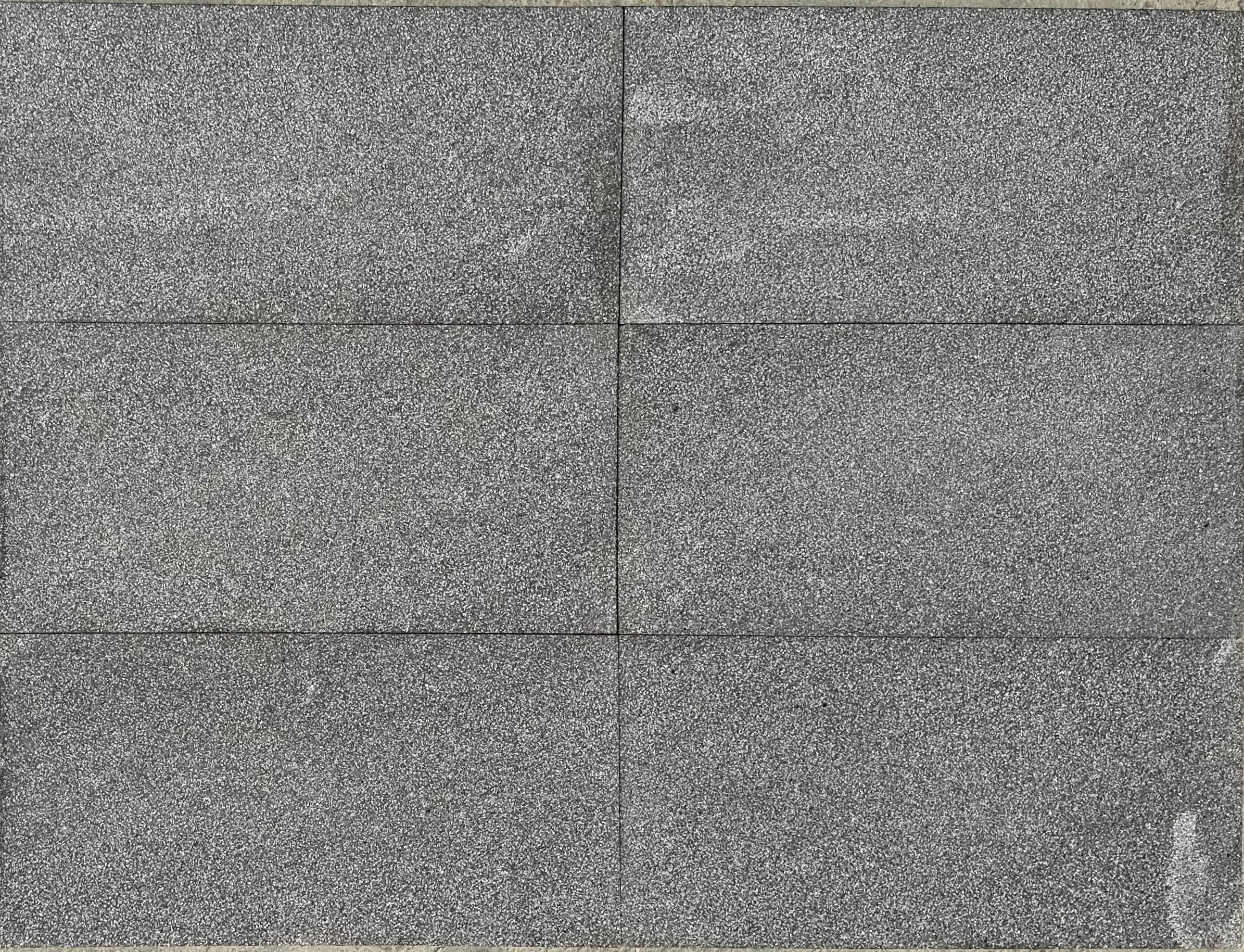
Jordanian basalt stone for facades and cladding in Saudi Arabia
Choose Basalt When

The Stone Must Take Punishment

Dense volcanic basalt is the safer specification wherever sun, weather and footfall are constant.

  • Sun-exposed building facades and cladding
  • Entrance plazas, driveways and paving
  • High-traffic lobbies and commercial floors
  • Dark, contemporary architectural statements
Explore Basalt
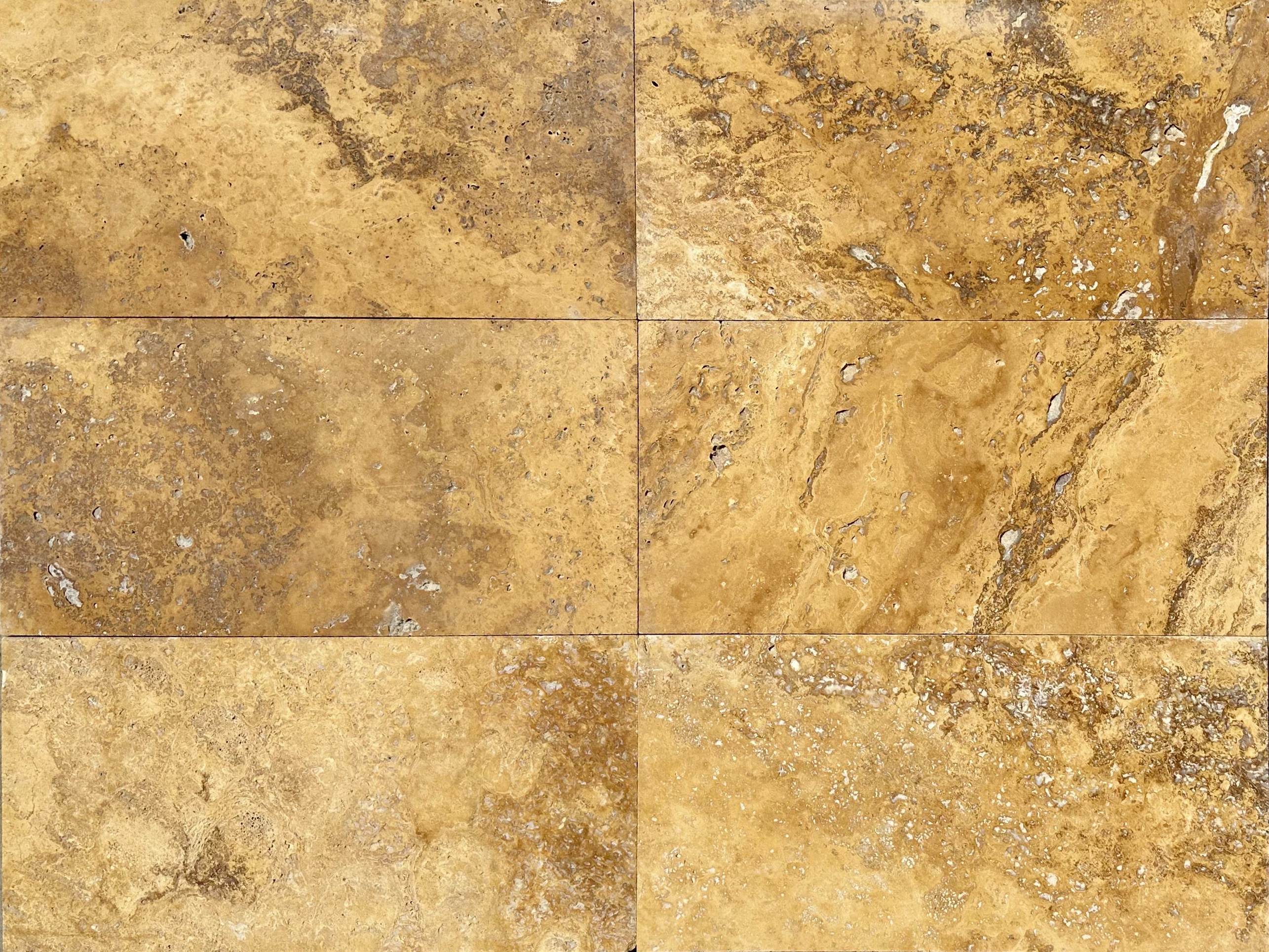
Travertine stone for interiors, pool surrounds and cladding in Saudi Arabia
Choose Travertine When

Warmth and Comfort Lead

Travertine's warm tone and cooler surface make it the natural pick for spaces people touch and walk barefoot on.

  • Pool surrounds, terraces and courtyards
  • Luxury interior flooring and wall cladding
  • Feature walls and reception areas
  • Warm, classical and Mediterranean palettes
Explore Travertine

Who supplies basalt and travertine in Saudi Arabia?

Jordanian Stone supplies both natural basalt and travertine in Saudi Arabia, sourced directly from our own quarries in Jordan and delivered to Riyadh, Jeddah, Dammam and across the Gulf. Not sure which fits your project? Tell us the application and location and we will recommend the right stone and send a customized quote.

BasaltDense dark volcanic stone for facades, cladding, paving and heavy-traffic floors. See basalt supplier in Saudi Arabia.
TravertineWarm Yellow, Beige and Silver stone for interiors, pool surrounds, terraces and feature walls. See travertine supplier in Saudi Arabia.
Also availableMarble and stone cladding in Riyadh.
Get a quoteWhatsApp +966 53 241 0702
FAQ

Common Questions

For exterior facades in the Saudi climate, basalt is generally the stronger choice. It is a dense volcanic stone with very low porosity and high resistance to weathering and abrasion, so it holds its surface and colour on sun-exposed elevations. Travertine is still widely used on facades where a warm, light appearance is the priority, and it performs well when properly sealed and detailed.

Travertine. Its light, warm tones reflect more sunlight than dark basalt, so it stays noticeably cooler underfoot — which is why it is a common choice for pool surrounds, terraces and courtyards. Dark basalt absorbs more heat and is better suited to facades, cladding and high-traffic paving.

Basalt is the harder and denser of the two. As a volcanic stone with low water absorption it resists abrasion, staining and weathering particularly well, making it suited to heavy-traffic floors and exposed exteriors. Travertine is a softer sedimentary stone with natural porosity, so it benefits from sealing and is better suited to interiors, feature walls and lower-traffic exterior areas.

Yes, and it is a common design approach. Many projects use dark basalt for facades, plinths, paving and high-traffic zones, and warm travertine for interiors, pool surrounds and feature walls. The contrast between the dark volcanic and warm sedimentary tones works well in villa and hospitality architecture.

Technical data — including compressive strength, water absorption, density and finish specifications — is available per material and batch on request. Contact Jordanian Stone on WhatsApp at +966 53 241 0702 or email contact@jordanianstone.com with your project requirements and we will provide the relevant test data.

Get in Touch

Still Deciding? Ask Our Team

Tell us the application, location and finish you have in mind — we will recommend the right stone and send a customized quote.